
Stumbling Through The Jungle Of My Mind
May 1978 Arroyo Hediondo
I walk alone, bathed in the coolness of the night. The sun has long tucked his fiery head under the cover of darkness leaving his domain for a million stars to play in. I look for the big dipper, but it is not there. The sky I know is not there; the constellations are strange, yet brilliant. A young moon cradles the embryo of her future self, faintly outlined in her upturned dish. In a month her fullness will come. In a month . . .
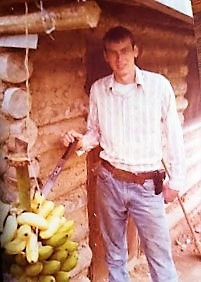
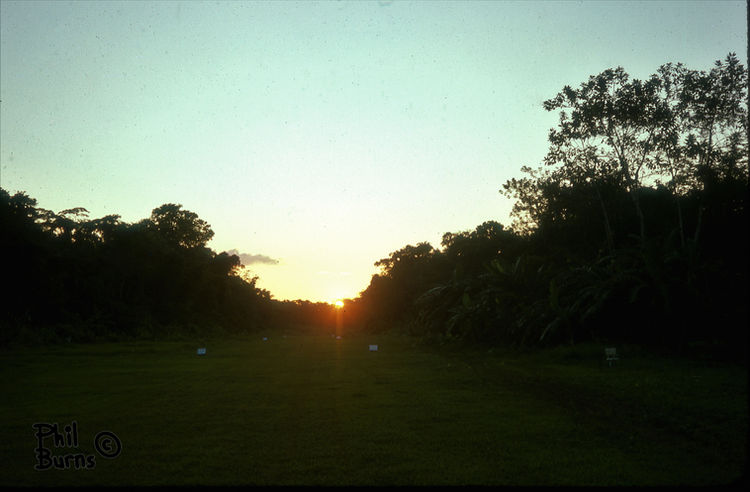
I reach the end of the airstrip. The jungle on both sides stands tall and black, silhouetted against the star-studded sky. Before me, the approach runs on by till it, too, is swallowed by the trees. Far down the clearing, ground fog steals softly from its prison of sod, and lifting its head becomes an eerie ghost of the night.
Retracing my steps, I flick my flashlight on for short intervals, its beam slashing the darkness, giving assurance that snakes are abiding by my curfew. At last, I enter our house, the screen door banging shut behind me. My partner, Matt, is in the back strumming his guitar.
I light a candle, its soft glow filling the room. Then, I sit on a backless bench at a rough wooden table and begin to write. The words come hard. How do I say how I feel? The magic I felt while walking the “pista” is of little help. My gaze is caught by the candle, its flickering flame gyrating wildly, ever reaching up into the darkness as if making futile attempts to break free from the wick and spread its light to every corner of the house. Its yellow glow is mesmerizing, and my mind, like the flame, darts from one thought to the next in a frenzied attempt to make sense of my first three months in Bolivia.
I reflect over my experience so far. Everything from leaving home and all I held dear, traveling to a new country with language and culture so different from my own, heat and humidity, neither of which make my list of most favorite things, the myriad of biting insects, rain, mud and the possibility of attack by wild beasts, or even, from the Indians we seek to befriend, all of them vie for my thoughtful attention.
We spent seven weeks at the “pension” seeking to contact a group of Yuqui Indians. They were weeks of work, of sweat, of tired body, and of bruised feet. They were weeks of rain, of boredom, of nothingness-all for what? We found no Indians, not even cold footprints. We entered the area with such high hopes, hopes left unfulfilled. Now, more weeks have passed and still nothing. Discouraged? Maybe a little. Disappointed? Yes, but God’s call of “go ye into all the world” still includes this group of Indians.
Tomorrow is a new day. Tomorrow, we will get shovels and our old wheelbarrow with the skinny metal wheel and fill holes in the approach, or perhaps clear jungle. Who knows, maybe even the Indians will come out.
I blow on the candle. The flame struggles to survive, then dies. A thin ribbon of white smoke curls heavenwards, a final benediction of the day.
End
This story was from the category Tales From Green Hell. If you would like to read more of my experiences in the jungles of Bolivia, please click on that link below.
More Writings by Phil
- Life Happens (31)
- Love Stories (4)
- Mission Related (1)
- Over-The-Hill In Europe (5)
- Stories of the Mbia (the People) (2)
- Tales From Green Hell 1978 -1979 (60)
- Theme Writing 1971 (2)
- This And That (26)
- Uncategorized (1)
More Photos and Commentary
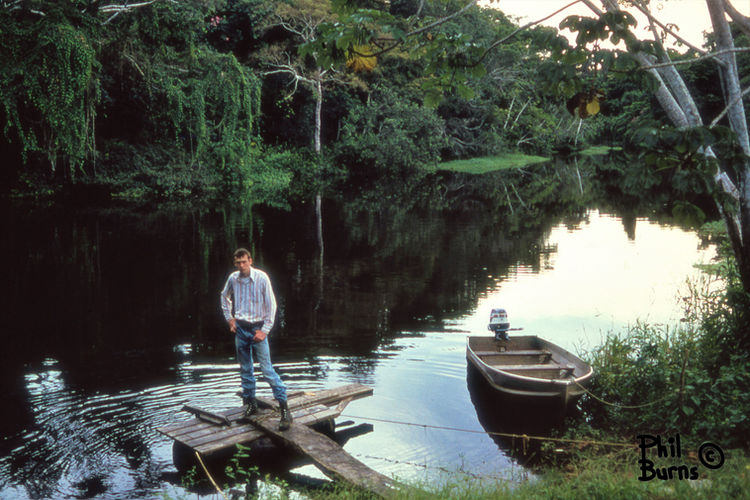
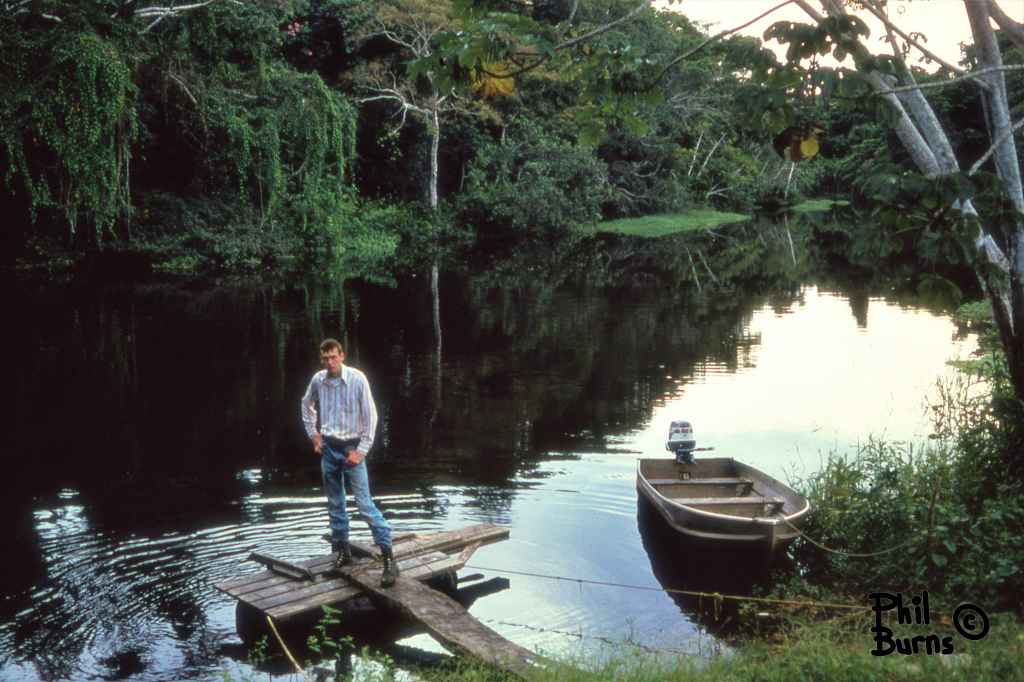
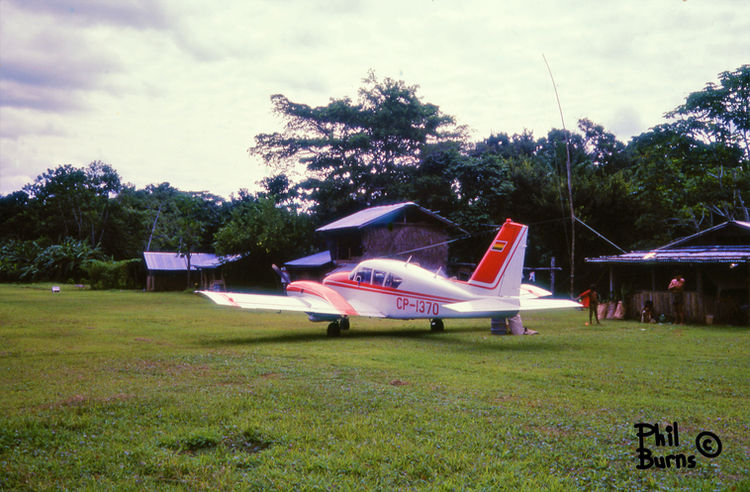
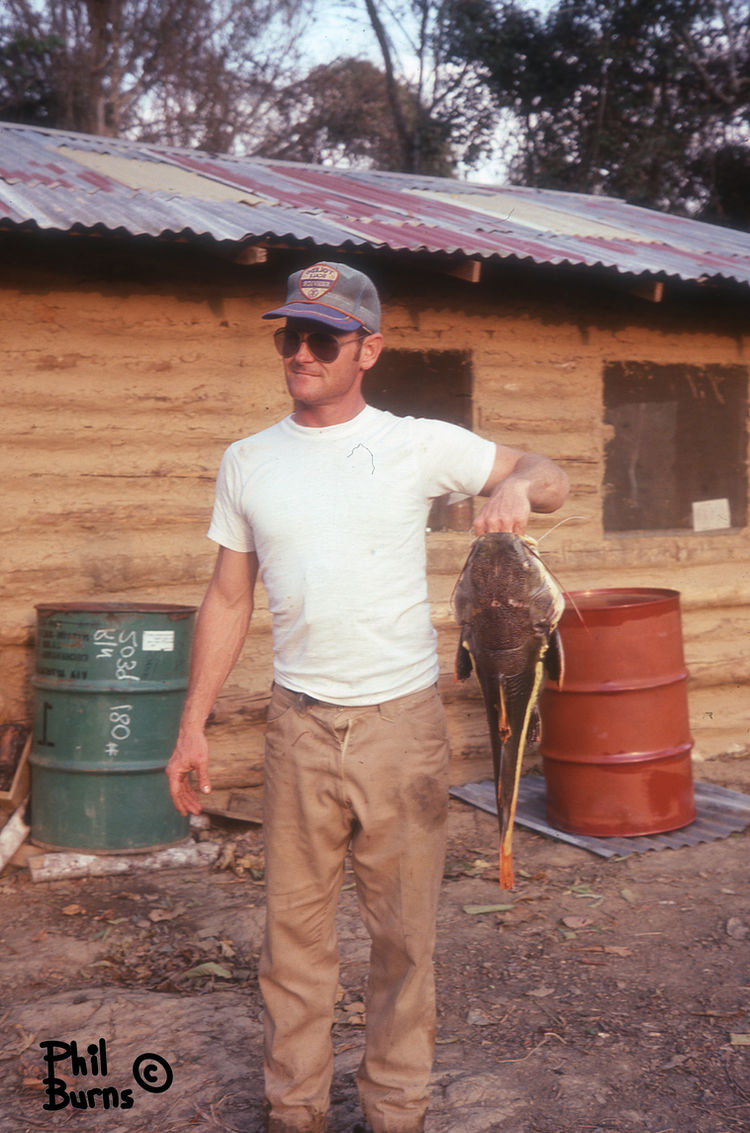
It was a beautiful area- if you like jungle! Its beauty, especially from just a photo, belies the reality of hot temperatures, high humidity, annual rainfall of upwards of 140 inches which in turn makes a muddy mess of trails, roads, riverbanks and everywhere else we wanted to walk, and thousands of blood-sucking insects. Inconveniences like these were made smaller if one had an acute awareness of why one choose to live in such a place and a remembrance of what our Savior, Jesus, did for us in leaving the splendors of heaven to live “among us” so that we could have eternal life, something that I, in the grind of everyday life, sometimes forgot. It helped, too, if one loved to hunt and fish, which the jungle afforded with unrestricted opportunity. Sadly, I was born with a temperament more attuned with Jacob, than Easu!
However, 44 years later, I do have fond memories of my time in the jungle. It was an adventure and I got to work with some great people, all of us united with a desire to share the Gospel with the remaining bands of Mbia still wandering the “modern day” jungle where loggers, oilmen, and colonists encroached into their traditional territory and violent death was often the outcome when the two sides collided.
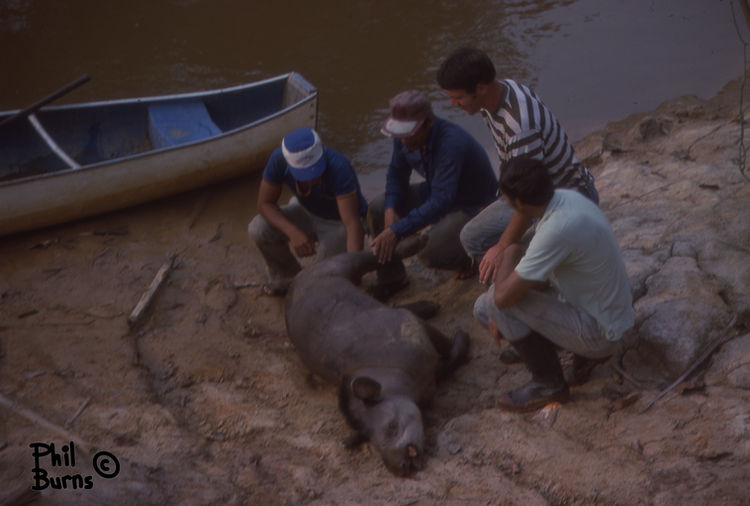

One kind of peccary travels in herds. I saw one group cross our trail that numbered at least 75 animals. If you had a Yuqui Indian along with you, he would have a heyday running among the herd of pigs, stabbing as many as he could with one of his 8 foot long arrows. The day I saw it happen, I think he killed 5 pigs. The Yuqui love to eat meat!

Arturo, Monica and their children, Daniel and Cristina spent a number of weeks with us. They stayed in a house next door to us, and we would often find their noses plastered to our window screens as they tried to figure out what those crazy white people were up to. We found them entertaining, as well. If we had leftovers, we often would invite them in to sample our food. They never turned anything down. One time, someone sent us a rotisserie chicken on a flight. It was so good! On the way out the door to throw the picked-clean carcass in the garbage pit, it was greedily plucked from our hand by Arturo. It was not going to be thrown out until he and his family had sucked every last morsel from the bones. I guess they considered us wasteful.
 Writings By Phil
Leave a comment