

March 1992
Two new graves scar the jungle floor near the village of Bia Recuate, home of the Yuqui Indians. A grave is not a pretty sight. It is dirty, cold, and damp. The grave is evidence that “checkmate” has been called and life on earth has ended. There is no escape from it. There is not another chance to make amends, nor to live life differently.
The following is a summary of the lives of the two men who died. Their stories are similar only in that their mortal remains rest side by side in the forest of the land of the Yuqui.
DICK STRICKLER, missionary, went to be with the Lord on August 3, 1991. He had contracted a severe case of hepatitis and was flown out to Cochabamba for medical care where it was discovered that his liver had already stopped functioning. Shortly after, his body slipped into a hepatic coma from which he never recovered. He was seventy-three years old.
Dick had not always been a missionary, nor for that matter a Christian. For a number of years, he had a promising career as an astronomer working for the United States Naval Observatory in Washington, D.C. Though he had a good position and was secure in his job, Dick did not find fulfillment. At times he despaired that there was any meaning to life.
Searching for truth, he decided to try the Bible to see if it held any answers. He enrolled in night classes at a nearby Bible college. There, while studying the book of Romans, Dick came face to face with the fact that he was a sinner, lost and without hope, and separated from God, his Creator. Sobering as that realization was, he was joyful to learn that God loved him so much that He sent His Son, Jesus, to save him from his sin. Dick believed that Jesus Christ took his sins and paid the punishment for them on the Cross, and his life was changed. He found what he had been looking for.
Sometime after this, Dick transferred to Florida where he met some missionaries who told him of the great need for laborers on the mission field. Sensing that God had something more for him than stargazing, he quit his job with the government and joined New Tribes Mission. He soon found himself in Bolivia.
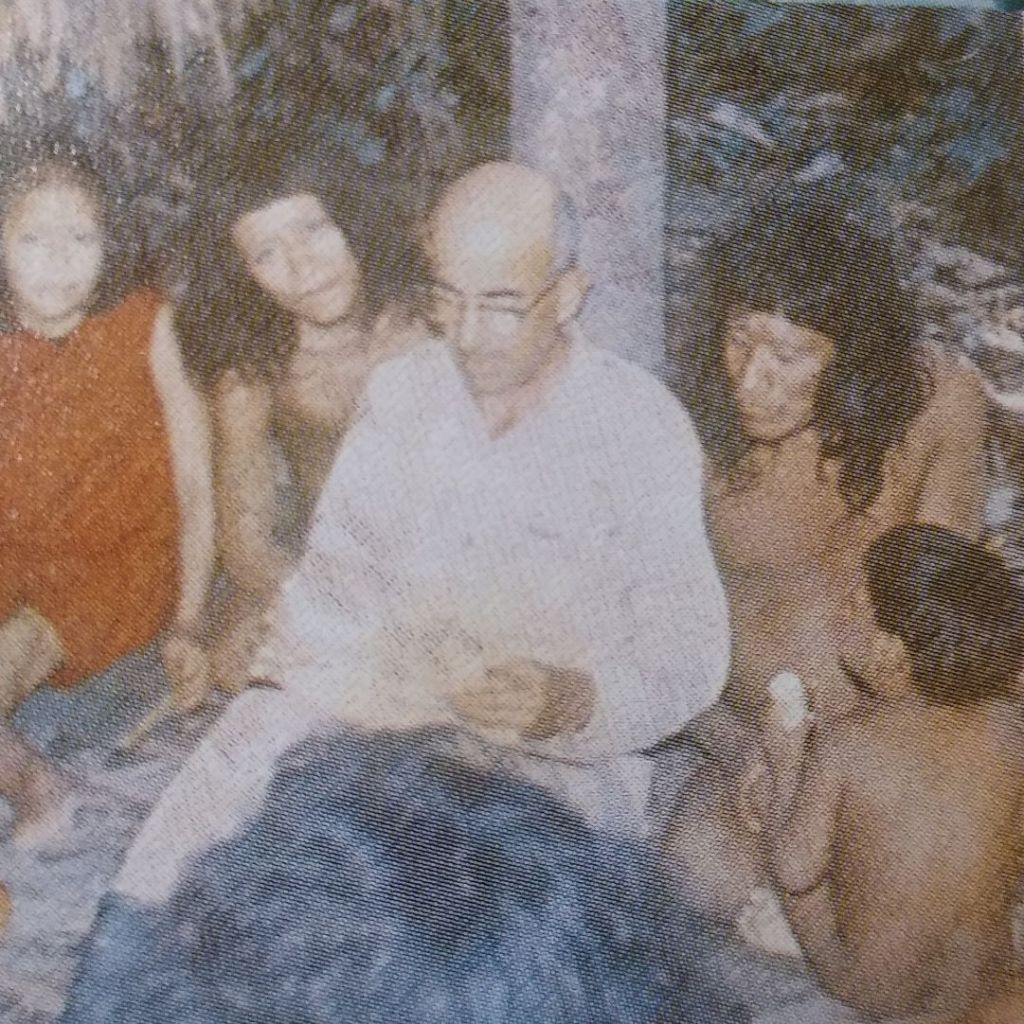
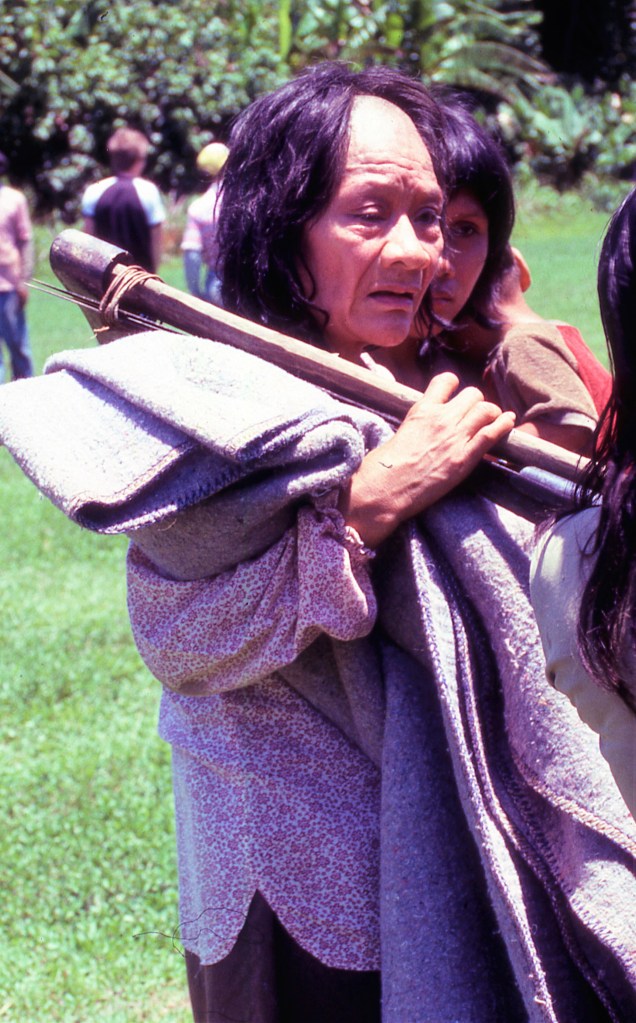
Over the next thirty-five years, Dick was involved in many aspects of the missionary experience, most of the time with the Yuqui Indians. He started by joining the Yuqui contact team, searching the jungle for the then hostile group of nomads. As the work progressed, he taught school for the Yuquí children. Later he taught literacy to the adults. Dick kept a store, selling essentials like fishhooks and laundry soap at cost to the Indians. He was bookkeeper, keeping track of the base finances, and he wrote letters of thanks to donors and prayer partners. At times, he did the medical work, even delivering babies. Dick was privileged to see two more wandering groups of Yuqui contacted. In everything he did, Dick Strickler was faithful. He continued on, year after year, even though the Indians showed little interest in spiritual things.
The day after he died his body was flown back to Bia Recuate, along the Chimoré River, his home on earth. He had requested to be buried in the jungle alongside the Yuqui. At the grave-side service, hymns were sung, and a number of Indians shared about how Dick’s life had touched theirs. Again, the wonderful story of God’s love for a sinful, lost people was told. It was the same message that had changed Dick’s life, the good tidings for which he had given up home and security to share them with the Yuqui people.
In the grave next to Dick’s lies the body of IOOCHO. He was a newcomer at Bia Recuate when his group requested to move there in September 1989. Because the Yuqui had no way of keeping records, it is guessed that loocho was about twenty-five years old. He had a wife and children and loved to hunt and fish. In the over two years that he lived at Bia Recuate, loocho attended many of the meetings. He learned of the one true God and how his Creator loved sinners like himself, but he never accepted Jesus’ death as payment for his sin. Had he not understood the message? Or, had he understood and rejected it? Only God knows.
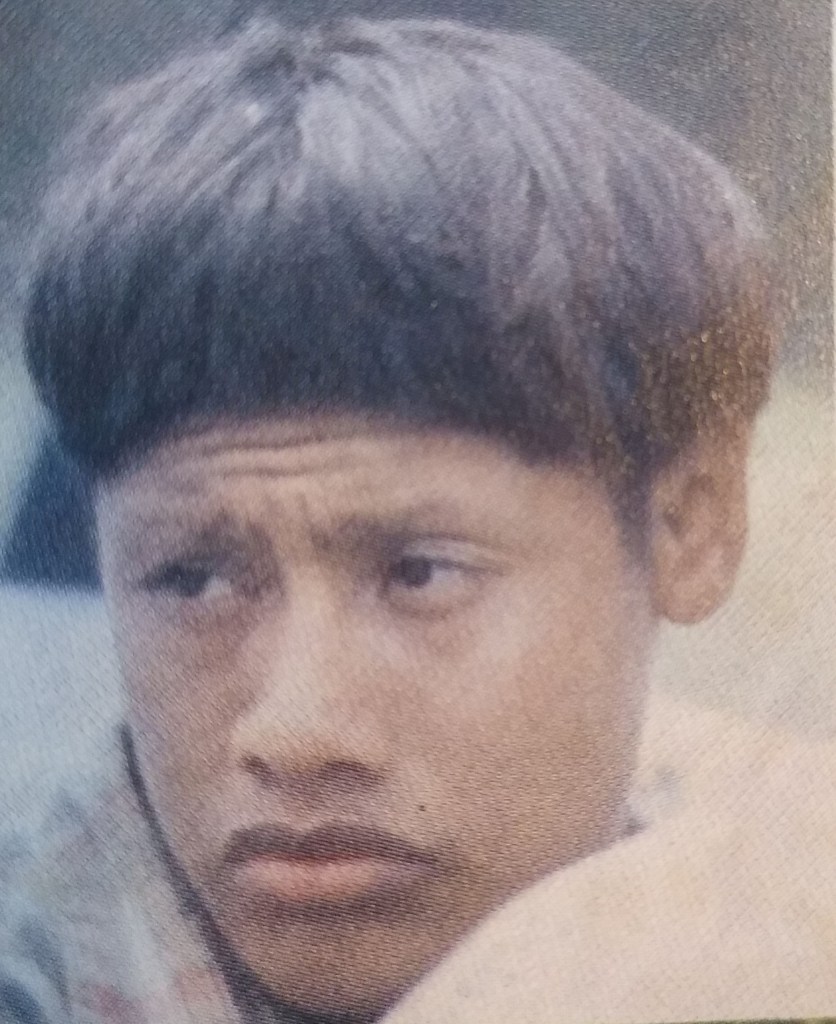
On September 1, 1991 Ioocho went fishing from the riverbank but didn’t come home that night. It can only be surmised that he hooked a large catfish that pulled him off balance and into deep water. Like most of the Yuqui adults, he did not know how to swim, and his body was found two days later entwined in his fishing line. At his burial there was much wailing and crying. There was talk of killing a national. (The Yuqui believe that the spirit of the dead needs another spirit to accompany it. In the past, they often killed a national or a Yuqui person of the slave class to meet this need.) It was a sad occasion. None of his people held any hope that loocho had gone to a better place.
loocho’s sentiments on life and death are held by many of his fellow Yuqui. They seem to feel that if God is going to judge humanity, the future is the time to worry about it. The present is theirs, a time in which they can break God’s laws or their own taboos with little fear of retribution. Their behavior seems to claim immunity from death.
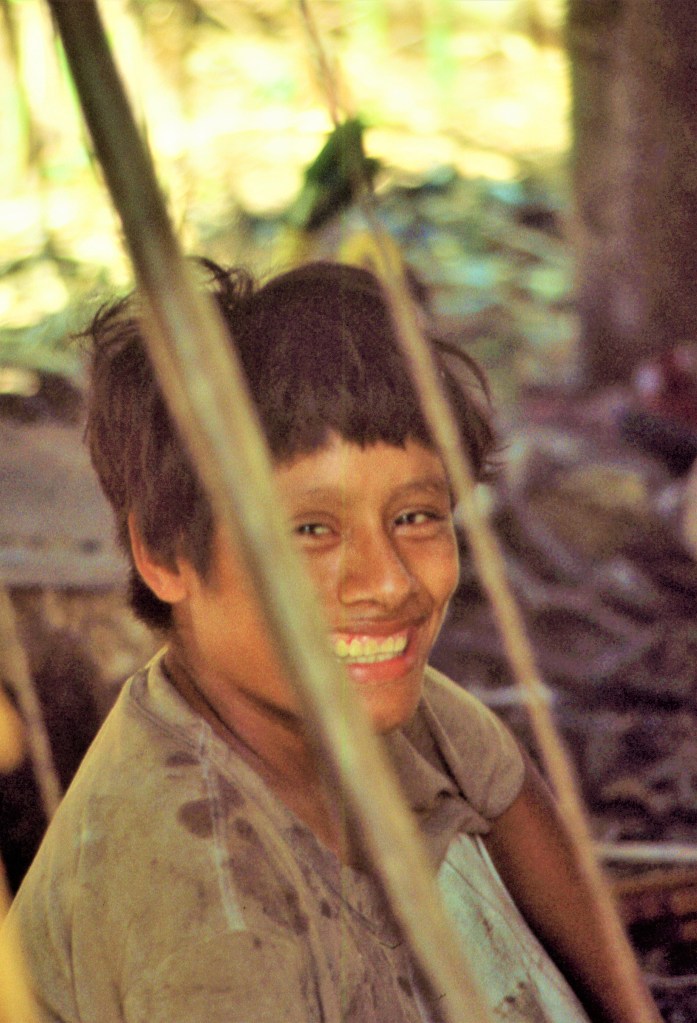
Sadly, reality is quite the opposite. In the last six years at Bia Recuate, there have been three drownings, another died of cancer, another after falling from a tree, another from a brain aneurysm, and the list goes on. Death is claiming them one by one. While the general consensus is that the Bible, as taught by the missionaries is true, they have not allowed that truth to change their lives.
Dick Strickler did! If he could get up from his grave and start life over, he would probably continue doing what he had been doing- serving the Lord. If loocho could come back from the dead, his life would probably be drastically different. It is doubtful that he would continue to spurn the love of God and His provision of eternal life.
The dead can’t come back from the grave, but the living can still make life-changing decisions. Pray that the Holy Spirit would work in the hearts of the Yuqui, that they would understand and believe God’s Word and be able to face death with the same hope that Dick Strickler had, that of seeing their Lord and Savior, Jesus Christ, and hearing His “Well done!”
 Writings By Phil
Leave a comment